Criticism Arises Over Prohibition of Lodging by Tourism Association
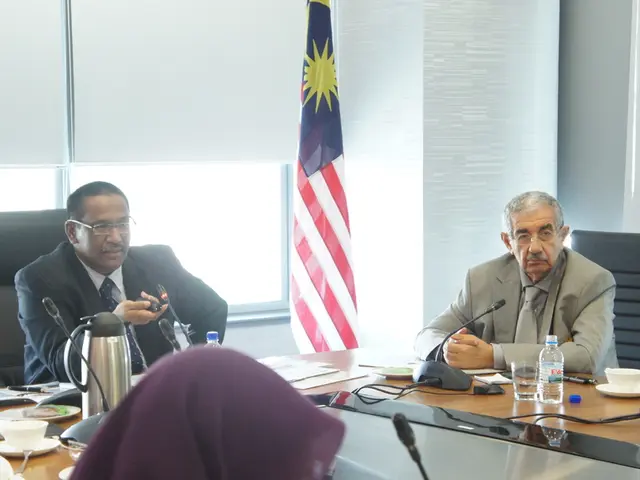
In the midst of the COVID-19 pandemic, Germany's tourism industry faced a significant challenge as accommodation bans—including temporary hotel closures and restrictions on guest stays from high-incidence districts—were implemented as public health measures [1]. These measures drew sharp criticism from industry figures like Dirk Dunkelberg, the deputy managing director of the German Tourism Association, who described the current situation as a patchwork, not showing real consistency [2].
Dunkelberg went on to state that the ban cannot satisfy the industry, which is particularly and dramatically affected. He called for further financial support from politics for the tourism industry and expressed concern about the control phase being transferred to businesses, as hoteliers and owners of holiday apartments are now required to check information due to the ban [2].
Dunkelberg also emphasised that any state bridging aids should be tailored to the tourism industry and targeted at the actors, ensuring that the support reaches those who need it most [3].
Despite the challenges faced during the pandemic, Germany's tourism industry is showing signs of a rapid recovery. By 2025, the sector is expected to generate a record €57 billion in international visitor spending and contribute €499 billion to the national GDP, supporting over 6.5 million jobs [2]. This rebound is attributed to active government policies, infrastructure investments, and a focus on sustainable tourism growth.
However, the rapid surge in tourism post-pandemic has led to concerns about over-tourism, with some regions considering measures such as tourist caps and regulating short-term rentals to balance economic benefits and local quality of life [4][5]. The government and industry are therefore navigating a complex trade-off between supporting tourism's economic recovery and addressing the social and environmental effects intensified by the pandemic's aftermath.
In conclusion, the accommodation bans during the pandemic sparked criticism for their economic impact on the tourism sector, intensifying demands for governmental financial aid. Post-pandemic, Germany's tourism industry is experiencing record growth, but there is increased attention on managing tourism sustainably to prevent negative effects like overcrowding [1][2][4]. The journey of the tourism industry in Germany continues to be a dynamic one, requiring careful navigation and collaboration between the government, industry, and local communities to ensure a balanced and sustainable recovery.
Due to the accommodation bans and the financial impact on the tourism industry, Dirk Dunkelberg, a tourism industry figure, called for further financial support from politics. In this new era of tourism growth, there is a growing concern about managing tourism sustainably to prevent negative effects like overcrowding, with some regions considering measures like tourist caps and regulating short-term rentals.